Churn rarely happens without warning. Long before a customer cancels, subtle signals begin to appear, reduced usage, slower engagement, unresolved friction. The challenge for SaaS teams is not collecting data, but recognizing which signals actually matter.
This is where SaaS churn prediction becomes valuable. Instead of reacting after revenue is lost, teams can identify risk early and intervene when it still makes a difference.
What Is Churn Prediction in SaaS?
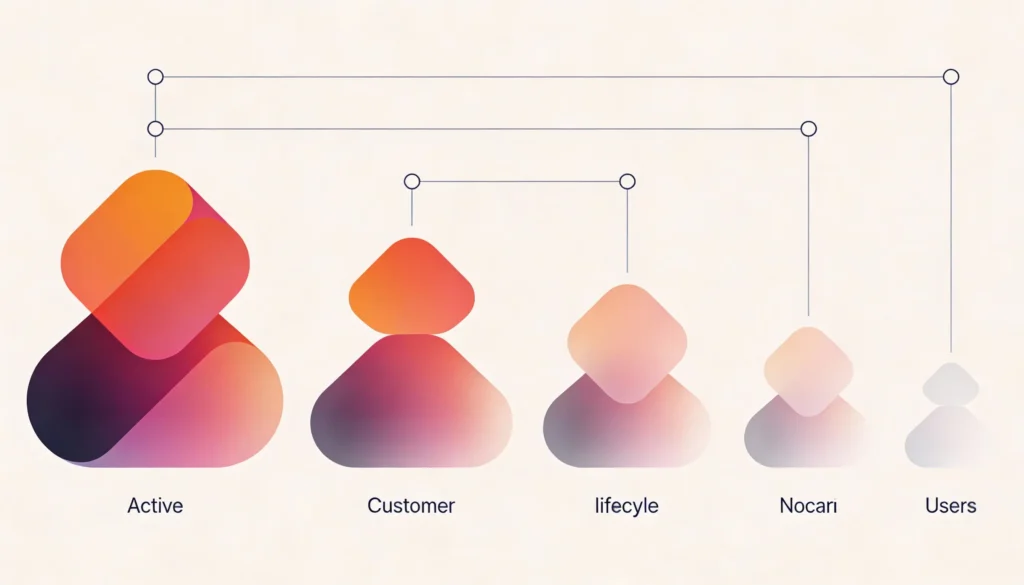
Churn prediction is the process of identifying customers who are likely to cancel or downgrade before it happens. Rather than relying on hindsight activation metrics, prediction focuses on behavioral patterns and trend analysis.
Effective churn prediction blends quantitative data with contextual understanding. It answers not just who might churn, but why.
Why Predicting Churn Matters
Waiting for churn metrics to spike often means it is already too late. Predictive signals allow teams to:
- Prioritize at-risk accounts
- Adjust onboarding or education
- Improve retention outcomes proactively
Companies that predict churn successfully reduce reactive firefighting and build stronger customer relationships.
Core Signals Used in SaaS Churn Prediction
Product Usage Decline
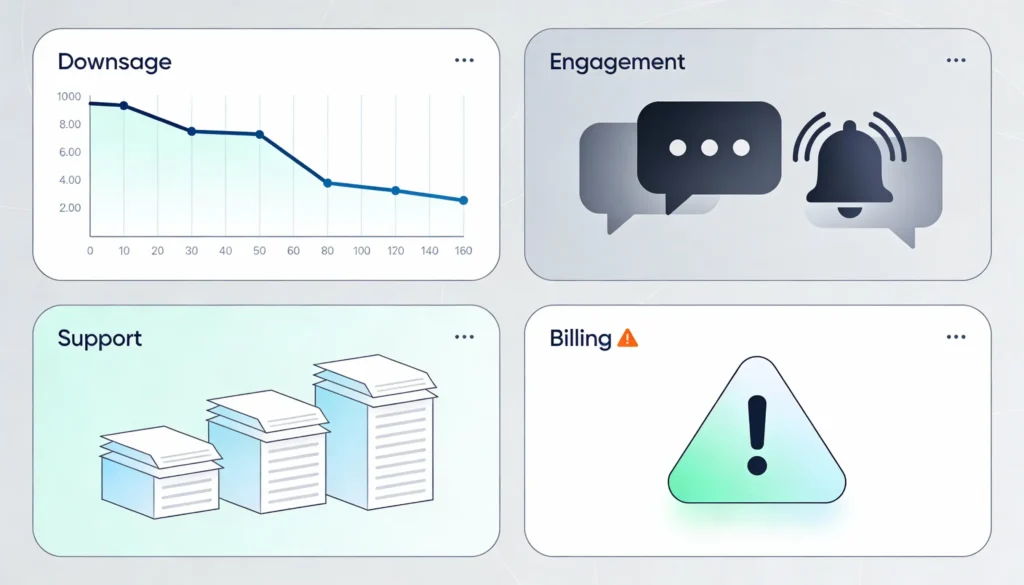
One of the strongest churn indicators is declining engagement with core features. When users stop interacting with the workflows that initially delivered value, risk increases.
Usage trends matter more than single events. Gradual decline often signals confusion or shifting priorities.
Engagement and Behavior Changes
Churn risk often shows up in how customers behave outside the product. Longer response times, reduced interaction with support, or disengagement from learning resources can all indicate fading commitment.
These behavioral signals add context to usage data.
Support and Friction Signals
Repeated unresolved issues or frequent workarounds can weaken trust. While support tickets alone do not cause churn, patterns of friction contribute to risk when combined with other indicators.
Understanding the nature of support interactions is critical.
Commercial and Account Signals
Billing issues, delayed renewals, or plan downgrades often appear shortly before churn. Including commercial indicators ensures churn prediction reflects both product and business realities.
Churn Prediction Models: Simple vs Advanced
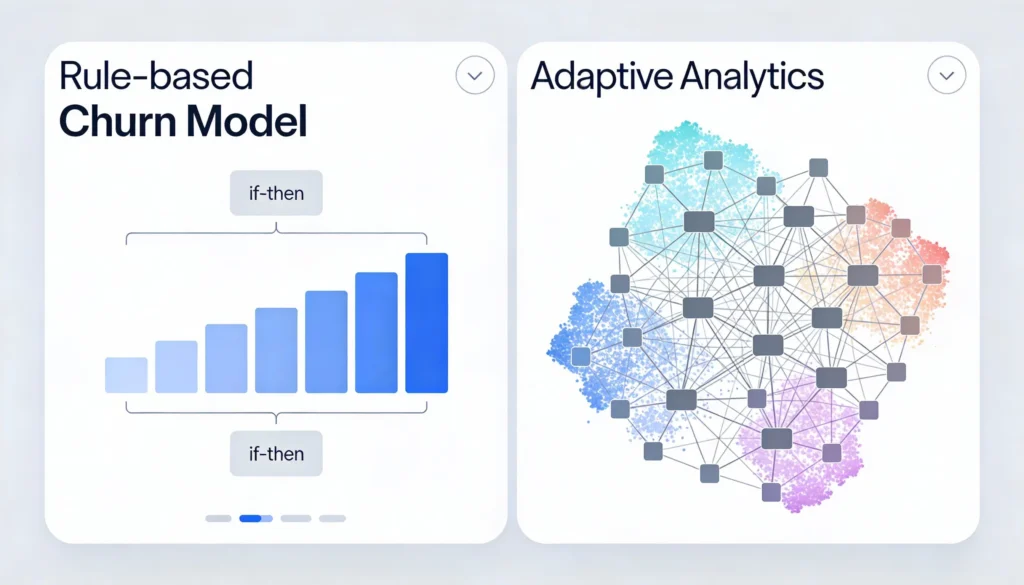
Not all churn prediction requires complex machine learning. Many SaaS teams achieve strong results with simpler models that combine a small set of weighted signals.
Effective models typically:
- Focus on trends, not snapshots
- Use consistent time windows
- Align with product value moments
Sophistication should serve clarity, not replace it.
How Churn Prediction Connects to Health Scores
Churn prediction and customer health scores are closely related. Health scores provide a snapshot of account condition, while churn prediction focuses on trajectory.
When combined, they help teams understand both current health and future risk, enabling more informed action.
Turning Churn Signals Into Action
Prediction alone does not prevent churn. Teams must connect signals to response strategies such as:
- Targeted education
- Product guidance
- Customer success outreach
The goal is not pressure, but support at the right moment.
Common Mistakes in Churn Prediction
Many SaaS teams struggle with churn prediction due to:
- Over-reliance on single metrics
- Ignoring qualitative feedback
- Treating churn prediction as a one-time setup
Churn prediction works best as an evolving process that adapts as products and users change.
Churn prediction is not about perfect accuracy. It is about early awareness. Even imperfect predictions create opportunities to improve outcomes when action follows insight.
By identifying churn risk before customers leave, SaaS teams shift from reactive loss management to proactive retention building. Strong growth depends not just on gaining customers, but on keeping them successfully engaged.

A SaaS analyst covering product strategy, growth, and customer experience in modern software businesses. Focused on practical insights and real-world SaaS execution.