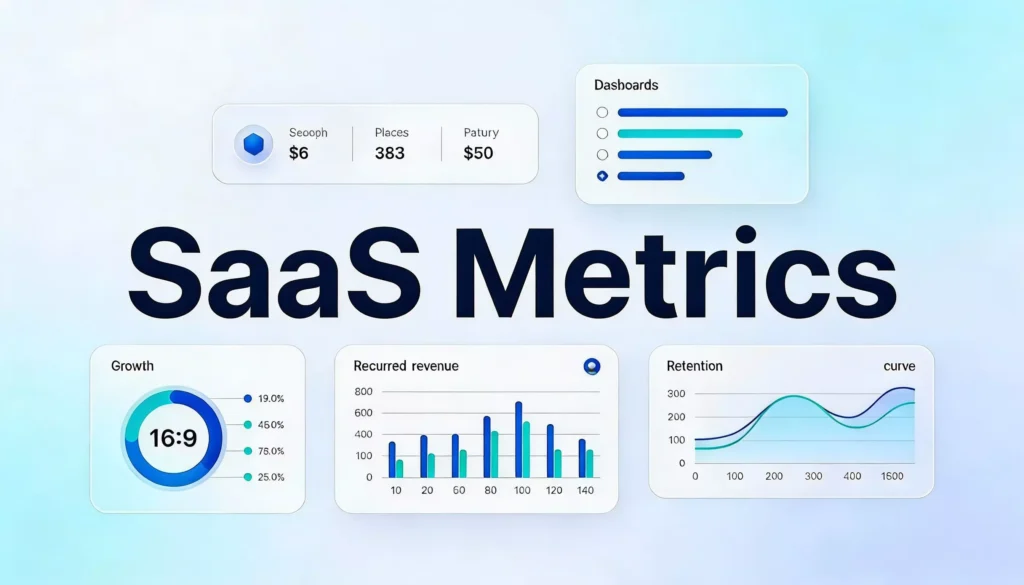
For many SaaS companies, growth is often associated with acquiring new customers. Yet some of the strongest SaaS businesses grow primarily by expanding revenue from users they already have.
Expansion does not happen by accident. It is the result of value delivery, trust, and timing. This is where SaaS expansion metrics become critical. They help teams understand whether customers are growing with the product or quietly plateauing.
What Is SaaS Expansion?
SaaS expansion refers to the increase in revenue generated from existing customers over time and is a critical part of key SaaS metrics used to evaluate long-term growth. This can happen through:
- Plan upgrades
- Feature add-ons
- Usage-based pricing
- Additional seats or teams
Unlike acquisition metrics, saas expansion metrics focus on depth of value, not volume of users.
Why Expansion Metrics Matter
Expansion is one of the most efficient forms of growth. Acquiring new users often requires continuous marketing spend, while expanding existing accounts builds on relationships that already exist.
Companies that track expansion metrics closely often achieve more predictable revenue and stronger customer lifetime value.
Expansion also acts as a health signal. Customers rarely expand if they do not see ongoing value.
Core SaaS Expansion Metrics to Track
Net Revenue Retention (NRR)
Net revenue retention measures how much revenue remains from existing customers after accounting for churn and expansion.
An NRR above 100% indicates that expansion revenue is outpacing losses, allowing growth even without new customers.
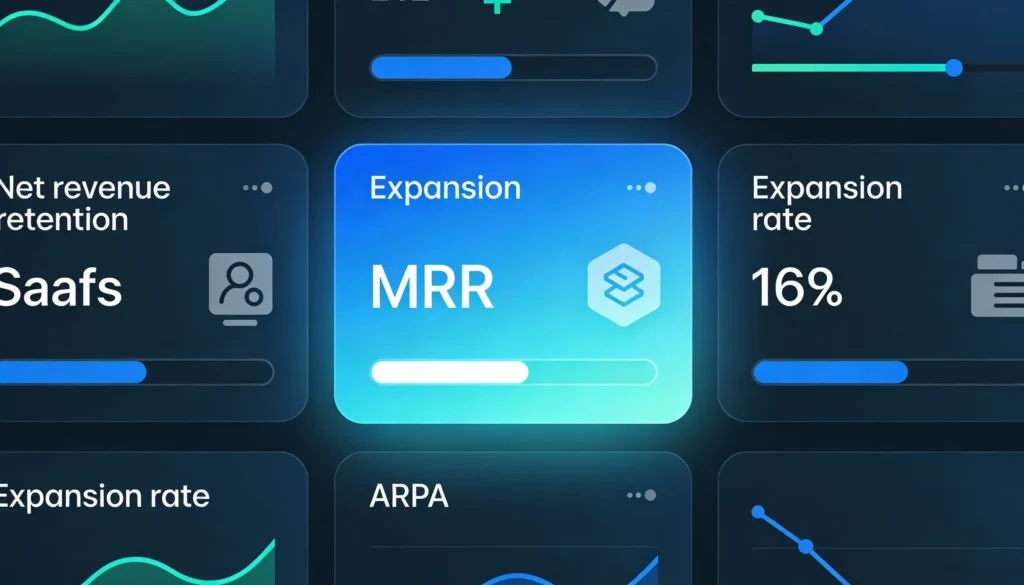
Expansion MRR
Expansion MRR tracks additional recurring revenue generated from existing users. This includes upgrades, add-ons, and increased usage.
Monitoring expansion MRR helps teams understand which segments are most likely to grow and why.
Expansion Rate
Expansion rate measures the percentage of customers who increase their spend over a given period. A low expansion rate often signals limited upsell opportunities or unclear product progression.
Average Revenue Per Account (ARPA)
ARPA shows how revenue per customer changes over time. Rising ARPA often reflects successful expansion strategies and strong product positioning.
Expansion vs Acquisition: Different Growth Paths
Expansion-driven growth behaves differently from acquisition-led growth. While acquisition focuses on reaching new users, expansion depends on timing, trust, and product maturity.
This distinction explains why many SaaS teams shift focus toward expansion as part of a broader retention-driven growth strategy once activation is stable.
Growth becomes less volatile when expansion contributes meaningfully to revenue.
How Expansion Connects to Activation and Retention
Expansion rarely succeeds without strong activation and retention foundations. Users must first understand the product and achieve consistent value before they are willing to expand usage.
Teams that track activation metrics and retention signals are better positioned to identify when expansion opportunities naturally arise.
Expansion is not about pressure—it is about readiness.
Using Expansion Metrics to Guide Strategy
Expansion metrics should influence:
- Pricing structure
- Feature packaging
- Customer success engagement
- Product roadmap decisions
When expansion data aligns with customer behavior, growth strategies feel supportive rather than aggressive.

Common Expansion Measurement Mistakes
Some SaaS teams misinterpret expansion signals by:
- Pushing upgrades before users see value
- Measuring expansion without segmenting users
- Treating expansion as a sales-only responsibility
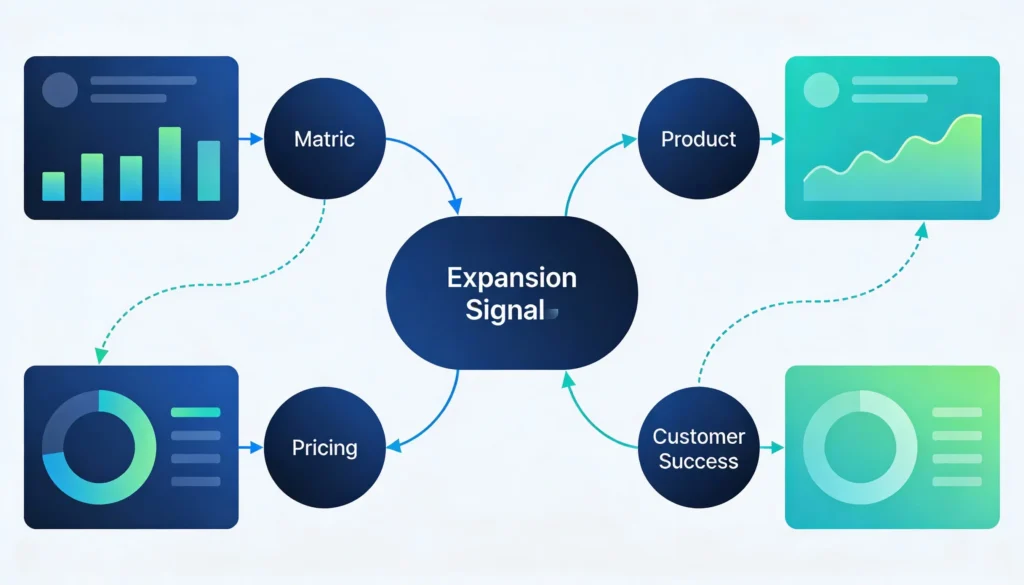
Effective expansion strategies are cross-functional, involving product, success, and growth teams.
Expansion metrics reveal whether customers are growing with the product or simply staying out of habit. Strong expansion indicates trust, value, and long-term alignment.
By measuring expansion thoughtfully, SaaS companies unlock growth that is more stable, efficient, and sustainable.
Growth does not always come from more users. Sometimes, it comes from deeper relationships.

A SaaS analyst covering product strategy, growth, and customer experience in modern software businesses. Focused on practical insights and real-world SaaS execution.